
Advisory Boards
SRI’s Advisory Board and Scientific Advisory Committee provide recommendations to maximize the Institute’s research and societal impact.
The Schwartz Reisman Institute for Technology and Society at the University of Toronto draws on the guidance of two advisory bodies whose members bring world-class expertise from research, public policy, industry, and philanthropy:
The SRI Advisory Board advises on the Institute’s strategic direction, global priorities, and partnerships with industry, government, and civil society.
The SRI Scientific Advisory Committee helps to chart the Institute’s scientific direction, looking ahead to emerging frontiers and long-term risks of powerful technologies.
Both bodies provide advice and recommendations to help guide SRI as it advances its strategic plan, which commits to driving interdisciplinary research on AI safety, translating frontier research into real-world impact, and promoting global leadership in shaping safe AI development.
Learn more about our distinguished board members below.
SRI Advisory Board
The Schwartz Reisman Institute’s Advisory Board provides advice and recommendations on strategy to maximize the Institute’s research and societal impact. Board members bring world-class expertise from a range of sectors, including computer science, education, technology entrepreneurship, public policy, and philanthropy. The board helps shape SRI’s strategic direction and global priorities, and guides its partnerships with industry, government, and civil society. Its members help SRI turn research into real-world impact and strengthen its voice in global conversations on technology governance.
2026–28 Advisory Board Members:

Marian Croak
Vice President, Responsible AI and Human Centered Technologies, Google
Marian Croak is the vice president of responsible AI and human centered technologies at Google. She was formerly a VP for site reliability engineering for ads, corporate engineering and YouTube, at Google. Croak joined Google in late 2014 after retiring from AT&T as an SVP responsible for advanced research and innovation, and designing and developing one of the world's largest wireless and broadband networks. She managed over 2000 world class engineers and computer scientists. Croak holds over 200 patents mostly focused on IP technology. Croak has received numerous awards, including the 2013 and 2014 Edison Patent Awards, and was inducted into the Women in Technology International's Hall of Fame in 2013. She is a strong supporter of STEM initiatives, served on many boards including NACME and Catalyst, and personally mentors many individuals in STEM. Croak attended Princeton University, and the University of Southern California where she received her doctorate in quantitative analysis and social psychology. She is currently a member of the corporate advisory board for the University of Southern California’s School of Engineering, and the Schwartz Reisman Institute for Technology and Society advisory board. She was inducted into the National Inventors Hall of Fame, the National Academy of Engineering, and the American Academy of Arts and Sciences in 2022.
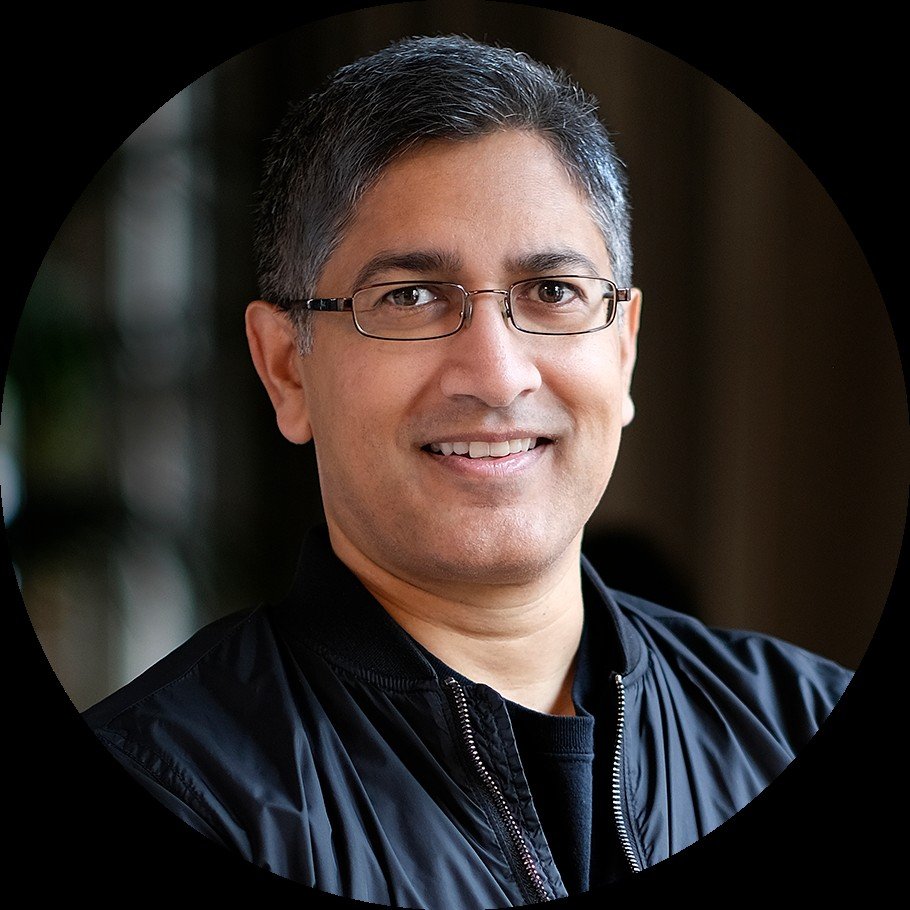
Shuman Ghosemajumder
Co-founder and CEO, Reken
Shuman Ghosemajumder is co-founder and CEO of Reken, an AI cybersecurity startup in Silicon Valley that builds technology to protect against AI-enabled threats. As an early Google employee, Ghosemajumder founded the Trust & Safety product group, protecting over one billion users and advertisers, and helped launch Gmail in 2004. He was later CTO of Shape Security, whose AI platform defended the world’s largest banks, airlines, and federal agencies against cybercrime. Shape was acquired for $1B in 2020 by F5, where he became Global Head of AI. Earlier in his career, Ghosemajumder built the world’s first collaborative graphic design software and co-authored one of the early books on web software engineering. At MIT, he created an online model for the music industry in 2002 which influenced the development of modern streaming services. Ghosemajumder is also co-founder and chairman of TeachAids, a global NGO spun out of Stanford University, which builds free, research-based, software and VR products used in 82 countries to help educate more than 500 million people. He is a senior fellow at the Munk School of Global Affairs & Public Policy at the University of Toronto and an editorial columnist on technology and innovation for Inc. magazine. Ghosemajumder grew up in London, Ontario and is a graduate of Western University and MIT. He was named by The Boston Globe to their MIT150 list of the top MIT innovators of all time.
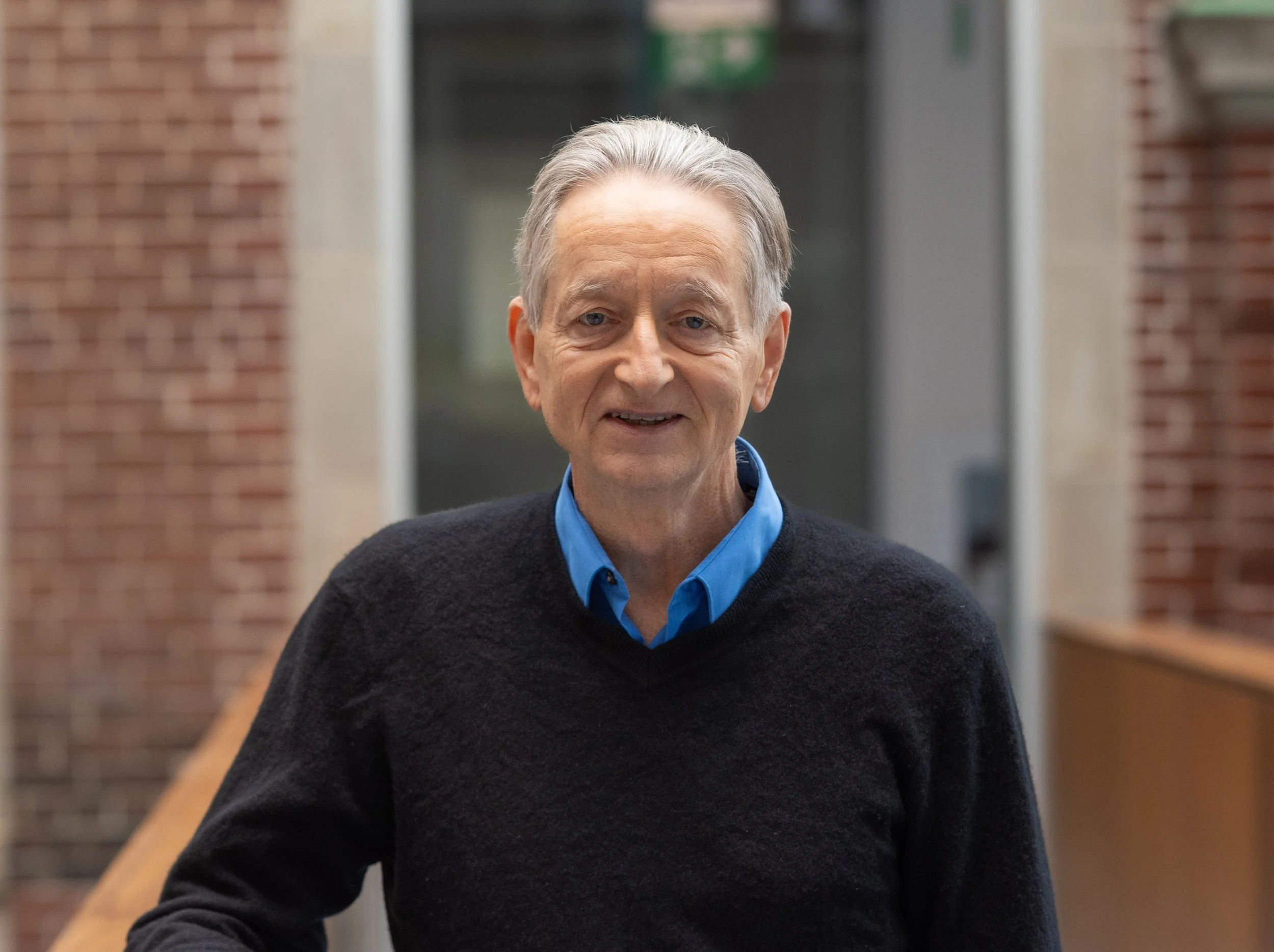
Geoffrey Hinton
University Professor Emeritus, Department of Computer Science, University of Toronto
Geoffrey Hinton received his PhD in artificial intelligence from Edinburgh in 1978. After five years as a faculty member at Carnegie Mellon, he became a fellow of the Canadian Institute for Advanced Research and moved to the Department of Computer Science at the University of Toronto, where he is now an emeritus professor. In 2013, Google acquired Hinton’s neural networks startup, DNNresearch, which developed out of his research at U of T. Subsequently, Hinton was a vice-president and engineering fellow at Google until 2023. He is a founder of the Vector Institute, where he continues to serve as chief scientific advisor. Hinton was one of the researchers who introduced the backpropagation algorithm and was the first to use backpropagation for learning word embeddings. His other contributions to neural network research include Boltzmann machines, distributed representations, time-delay neural nets, mixtures of experts, variational learning, and deep learning. His research group in Toronto made major breakthroughs in deep learning that revolutionized speech recognition and object classification. Hinton is among the most widely cited computer scientists in the world. He is a fellow of the UK Royal Society, the Royal Society of Canada, the Association for the Advancement of Artificial Intelligence, and a foreign member of the US National Academy of Engineering and the American Academy of Arts and Sciences. His awards include the David E. Rumelhart Prize, the IJCAI Award for Research Excellence, the Killam Prize for Engineering, the IEEE Frank Rosenblatt Medal, the NSERC Herzberg Gold Medal, the IEEE James Clerk Maxwell Gold Medal, the NEC C&C Award, the BBVA Award, the Honda Prize, the ACM A.M. Turing Award, and the 2024 Nobel Prize in Physics.
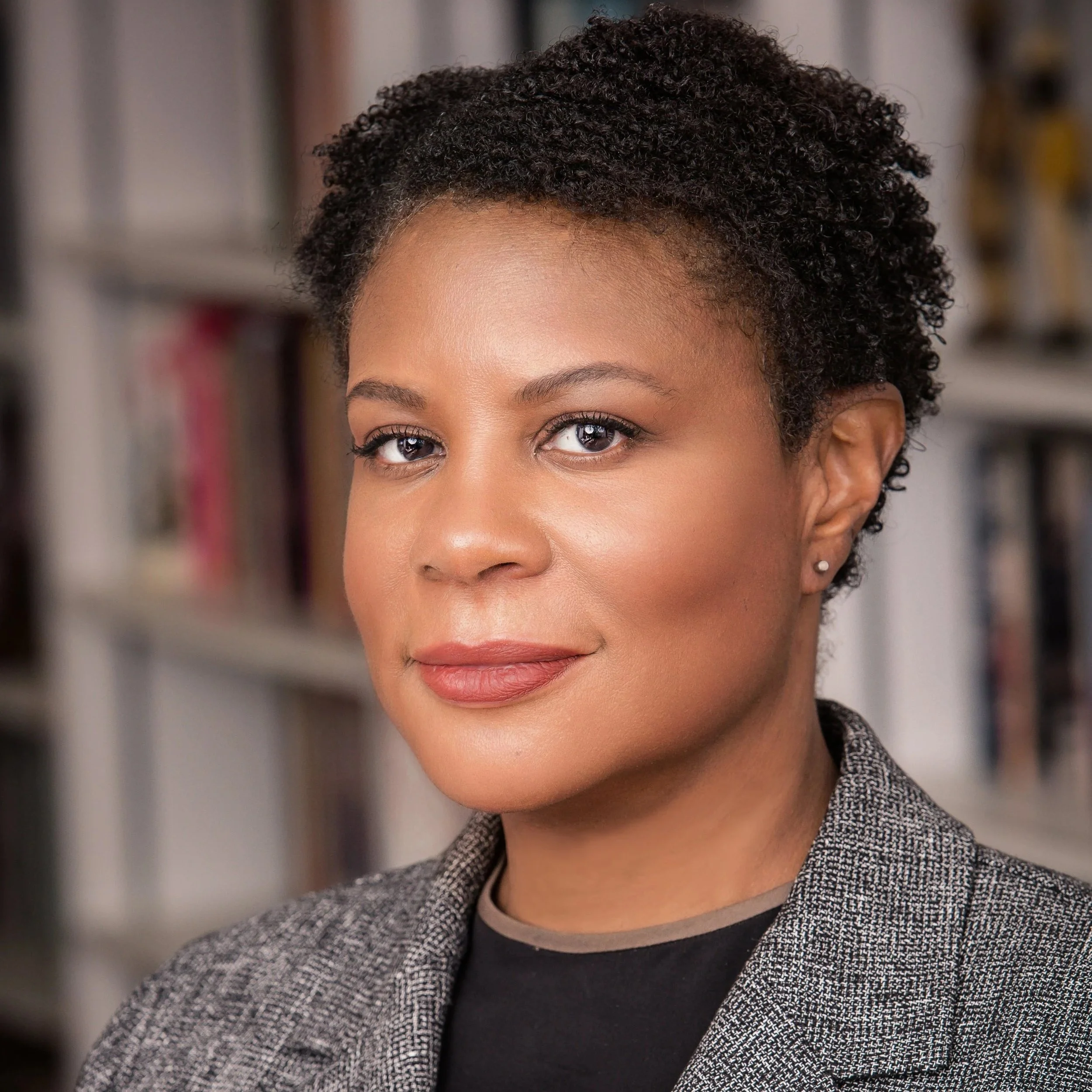
Alondra Nelson
Harold F. Linder Professor of Social Science, Institute for Advanced Study
Alondra Nelson is the Harold F. Linder Professor of Social Science at the Institute for Advanced Study, an independent research center in Princeton, New Jersey, where she founded and leads the Science, Technology, and Social Values Lab. She previously served as president and CEO of the Social Science Research Council and, before that, as the inaugural Dean of Social Science and professor of sociology at Columbia University. A sociologist of science and technology, Nelson is the author of Body and Soul: The Black Panther Party and the Fight Against Medical Discrimination (2011) and The Social Life of DNA: Race, Reparations, and Reconciliation after the Genome (2016), and, most recently, Auditing AI (2026). Her honors include the MIT Morison Prize, the Sage-CASBS Award, the inaugural Friedrich Schiedel Prize for Social Sciences and Technology, and the NAACP-Archewell Foundation Digital Civil Rights Award. Nelson served as Deputy Assistant to the president and acting director of the White House Office of Science and Technology Policy, where she drove the development of the Blueprint for an AI Bill of Rights. Nature named her one of the Ten People Who Shaped Science, and she was included on the inaugural TIME100 list of the most influential people in AI. She served on the United Nations High-Level Advisory Body on Artificial Intelligence and is a senior adviser to the International AI Safety Report. Nelson's essays, reviews, and commentary have appeared in The New York Times, The Washington Post, The Wall Street Journal, Foreign Affairs, Wired, and Science. She is an elected member of the American Academy of Arts and Sciences, the American Association for the Advancement of Science, the American Philosophical Society, the U.S. National Academy of Medicine, and the U.S. Council on Foreign Relations.

Robert Prichard
Chair, Torys LLP
J. Robert S. Prichard is chair of Torys LLP, visitor at Massey College and president emeritus at the University of Toronto. He is also a director of Onex Corporation and Alamos Gold and serves on the international advisory board of Barrick Gold. He is an officer of the Order of Canada, a member of the Order of Ontario, a fellow of the Royal Society of Canada and a fellow of the Institute of Corporate Directors. He attended Swarthmore College, the University of Chicago (MBA), the University of Toronto (LLB), and Yale University (LLM), and holds honorary degrees from 11 colleges and universities in Canada and the United States.

Heather Reisman
Founder and CEO, Indigo Books & Music Inc.
Heather Reisman is the founder and chief executive officer of Indigo Books & Music Inc., Canada’s largest book, lifestyle, and specialty kids’ retailer. Reisman is a former governor of McGill University and of the Toronto Stock Exchange. She has served on many North American boards and continues to serve as a director of Indigo, Onex Corporation, and The National Library of Israel. Reisman has co-executive-produced a number of important documentary films, including Emmy- and BAFTA-winning The Social Dilemma. The Social Dilemma explores the dangerous human impact of social networking and has found resonance around the world, having now been seen by over 100 million people. In 2021, Reisman co-authored Imagine It! A Handbook for a Happier Planet. Reisman was educated at McGill University, is an officer of the Order of Canada, and the recipient of nine honorary doctorates including from University of Toronto, McGill University, the Weizmann Institute of Science, and the Technion University. In May 2015, Reisman was inducted into the Canadian Business Hall of Fame. Reisman is married to Gerald Schwartz, chair and CEO of Onex Corporation. She has four children and 11 grandchildren.

Reeta Roy
President and CEO, Mastercard Foundation
Reeta Roy is president and CEO of the Mastercard Foundation—one of the largest private foundations in the world, with approximately $40 billion in assets. A thoughtful leader who is deeply committed to equity and inclusion, Roy has worked tirelessly to build a foundation that is collaborative and known for bold action and transformative impact. Under Roy’s leadership, the foundation has focused its work on Africa since 2009, committed to a goal of ensuring 75 per cent of its partners are African organizations, and based the majority of the foundation’s operations, staff, and leadership, including Roy herself, in Africa. To date, the foundation has committed/deployed more than US$5.7 billion through financial inclusion, education, and youth livelihood programs, and pandemic response. This includes a $1.3 billion investment under the Mastercard Foundation Scholars Program, which is enabling nearly 40,000 talented but economically disadvantaged young leaders to pursue and complete their secondary and/or higher education. It also includes the Saving Lives and Livelihoods initiative—a historic $1.3 billion partnership with the Africa Centres for Disease Control and Prevention to drive COVID-19 vaccination and health security in Africa. Today, the Mastercard Foundation’s Young Africa Works strategy, launched in 2018, has set a goal of enabling 30 million young people, particularly young women, to access dignified and fulfilling work by 2030. A strong believer in listening, Roy can often be found working directly with those the foundation’s programs serve—young people and future leaders. Her childhood growing up in Malaysia helped her to develop her capacity to listen and the empathy with which she approaches the foundation’s work. Roy was a beneficiary of scholarships that allowed her to complete her education and mentors continue to support her growth as a leader. Roy is a member of the African Transformation Leadership Panel and is regularly called upon by the United Nations, regional bodies in Africa such as the African Center for Economic Transformation, and global funders to advocate for solutions for youth employment. Roy has represented these ideas on numerous stages, including at the African Transformation Forum, the Council of Foreign Relations, the United Nations, and the World Bank. Prior to joining the foundation, Roy was the divisional vice president of global citizenship and policy at Abbott and was vice president of the Abbott Fund, its corporate foundation. She led Abbott’s public-private initiatives related to HIV/AIDS in Africa and a range of global health programs. Before Abbott, Roy held a number of leadership positions at Bristol-Myers Squibb, working on global health policy issues. Prior to joining the private sector, she worked at the United Nations. Roy received a Master of Arts in law and diplomacy from The Fletcher School of Law and Diplomacy at Tufts University and a Bachelor of Arts from St. Andrews Presbyterian College. She holds seven Honorary Doctorate degrees and has received numerous awards and recognitions.
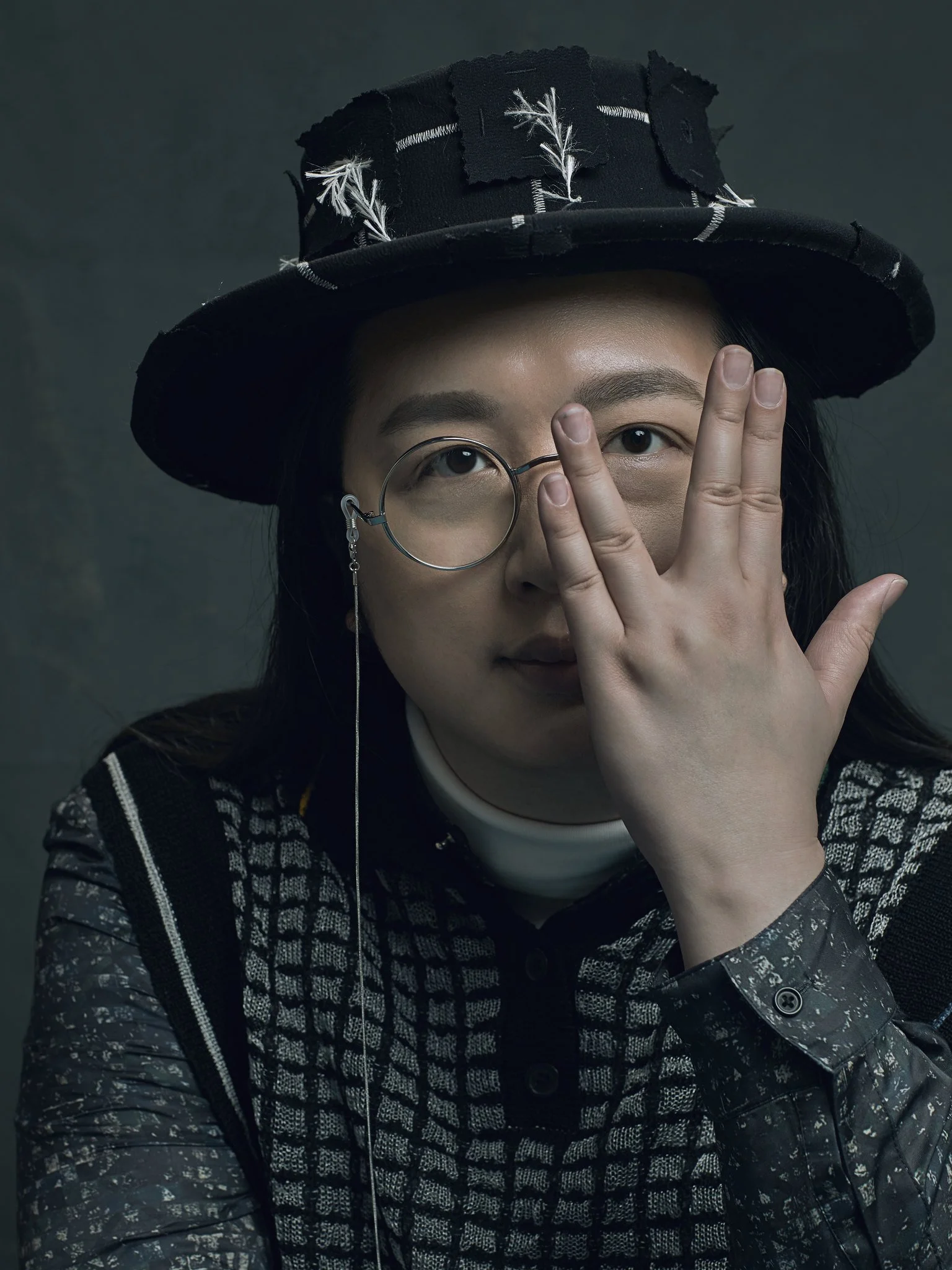
Audrey Tang
Carnegie Distinguished Fellow, Columbia School of International and Public Affairs
Audrey Tang is a civic hacker, co-author of Plurality (with Glen Weyl) and the forthcoming Civic AI (with Caroline Green). She is an inaugural senior accelerator fellow at the Oxford Institute for Ethics in AI and a 2026–2027 Carnegie Distinguished Fellow at Columbia School of International and Public Affairs’ Institute of Global Politics.
SRI Scientific Advisory Committee
The Schwartz Reisman Institute’s Scientific Advisory Committee brings together leading researchers from around the world and across disciplines to help chart the Institute’s scientific direction. The committee looks ahead to emerging frontiers and the long-term risks that powerful technologies may pose. It helps SRI focus on the questions that matter most for a future where technology serves humanity. Its members forge collaborations that extend the Institute’s reach, and they connect our community to scientific conversations worldwide.
2026–28 Scientific Advisory Committee Members:
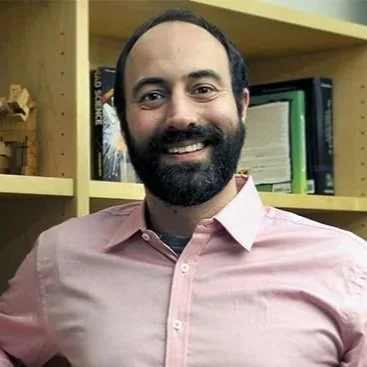
Ryan Calo
Virginia and Prentice Bloedel Professor, University of Washington
Ryan Calo is the Virginia and Prentice Bloedel Professor at the University of Washington and the author of Law and Technology: A Methodical Approach (Oxford University Press, 2025). He is a founding co-director of the interdisciplinary UW Tech Policy Lab and a co-founder of the UW Center for an Informed Public. Professor Calo holds a joint appointment at the Information School and an adjunct appointment at the Paul G. Allen School of Computer Science and Engineering. Calo’s research on law and emerging technology appears in leading law reviews (California Law Review, Columbia Law Review, Duke Law Journal, UCLA Law Review, and University of Chicago Law Review) and technical publications (MIT Press, Nature, Artificial Intelligence) and is frequently referenced by the national media. His work has been translated into Chinese, Italian, French, and other languages. Calo has testified four times before the United States Senate, most recently in 2025 regarding the need for new privacy laws in light of artificial intelligence. He has organized events on behalf of the National Science Foundation, the National Academy of Sciences, and the Obama White House. He has been a speaker at President Obama's Frontiers Conference, the Aspen Ideas Festival, and NPR's Weekend in Washington.
Marian Croak
Vice President, Responsible AI and Human Centered Technologies, Google
Marian Croak is the vice president of responsible AI and human centered technologies at Google. She was formerly a VP for site reliability engineering for ads, corporate engineering and YouTube, at Google. Croak joined Google in late 2014 after retiring from AT&T as an SVP responsible for advanced research and innovation, and designing and developing one of the world's largest wireless and broadband networks. She managed over 2000 world class engineers and computer scientists. Croak holds over 200 patents mostly focused on IP technology. Croak has received numerous awards, including the 2013 and 2014 Edison Patent Awards, and was inducted into the Women in Technology International's Hall of Fame in 2013. She is a strong supporter of STEM initiatives, served on many boards including NACME and Catalyst, and personally mentors many individuals in STEM. Croak attended Princeton University, and the University of Southern California where she received her doctorate in quantitative analysis and social psychology. She is currently a member of the corporate advisory board for the University of Southern California’s School of Engineering, and the Schwartz Reisman Institute for Technology and Society advisory board. She was inducted into the National Inventors Hall of Fame, the National Academy of Engineering, and the American Academy of Arts and Sciences in 2022.
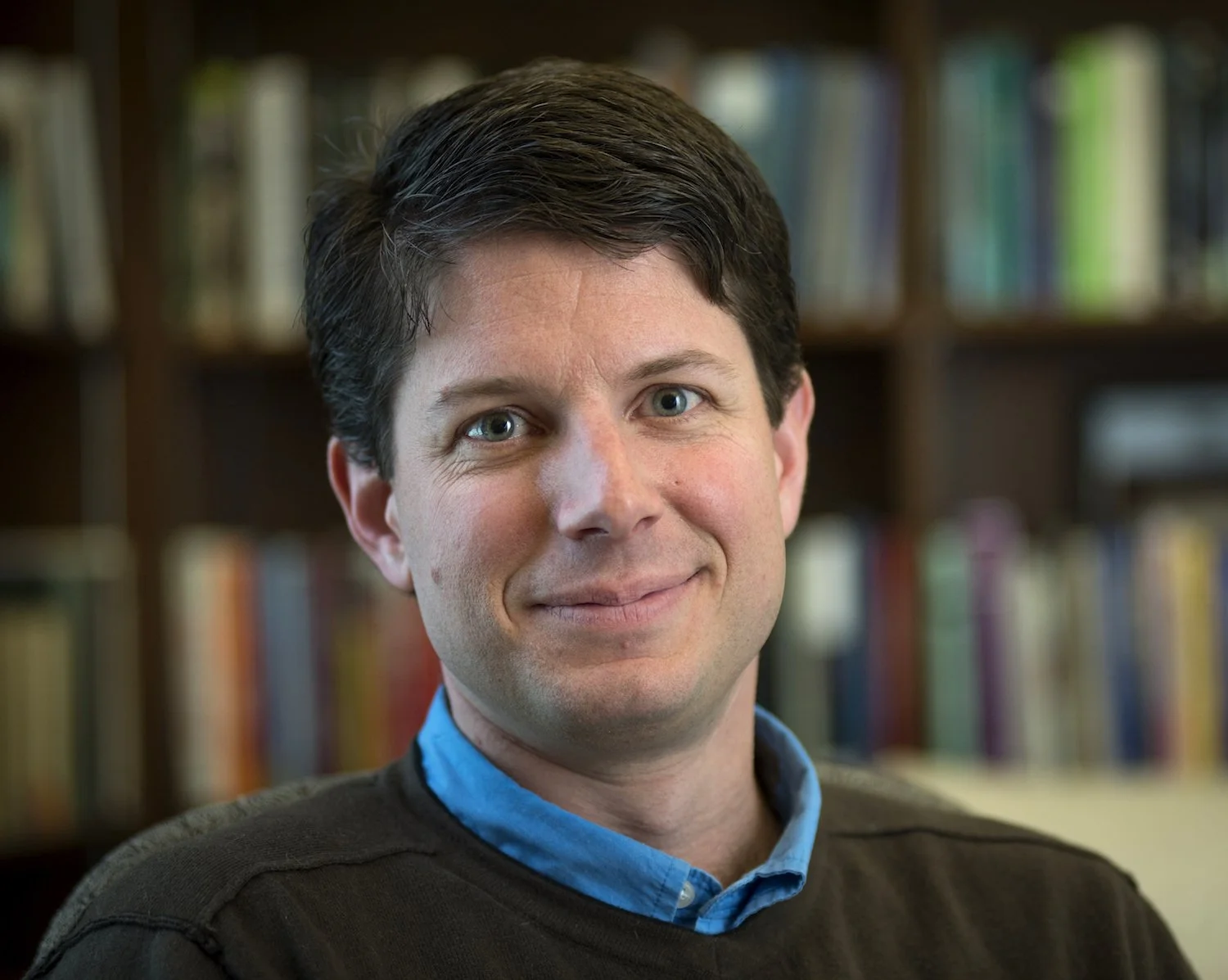
David Danks
Polk JSF Distinguished University Professor of Philosophy, AI, & Data Science, University of Virginia
David Danks is the Polk JSF Distinguished University Professor of Philosophy, AI, & Data Science at the University of Virginia. One part of his research examines the ethical, psychological, and policy issues around AI and robotics across multiple sectors. He also develops novel AI systems and computational cognitive models. Danks was an inaugural member of the National AI Advisory Committee (USA), and currently serves on multiple advisory boards for industry, government, and academia. He was the recipient of a James S. McDonnell Foundation Scholar Award, as well as an Andrew Carnegie Fellowship.
Geoffrey Hinton
University Professor Emeritus, Department of Computer Science, University of Toronto
Geoffrey Hinton received his PhD in artificial intelligence from Edinburgh in 1978. After five years as a faculty member at Carnegie Mellon, he became a fellow of the Canadian Institute for Advanced Research and moved to the Department of Computer Science at the University of Toronto, where he is now an emeritus professor. In 2013, Google acquired Hinton’s neural networks startup, DNNresearch, which developed out of his research at U of T. Subsequently, Hinton was a vice-president and engineering fellow at Google until 2023. He is a founder of the Vector Institute, where he continues to serve as chief scientific advisor. Hinton was one of the researchers who introduced the backpropagation algorithm and was the first to use backpropagation for learning word embeddings. His other contributions to neural network research include Boltzmann machines, distributed representations, time-delay neural nets, mixtures of experts, variational learning, and deep learning. His research group in Toronto made major breakthroughs in deep learning that revolutionized speech recognition and object classification. Hinton is among the most widely cited computer scientists in the world. He is a fellow of the UK Royal Society, the Royal Society of Canada, the Association for the Advancement of Artificial Intelligence, and a foreign member of the US National Academy of Engineering and the American Academy of Arts and Sciences. His awards include the David E. Rumelhart Prize, the IJCAI Award for Research Excellence, the Killam Prize for Engineering, the IEEE Frank Rosenblatt Medal, the NSERC Herzberg Gold Medal, the IEEE James Clerk Maxwell Gold Medal, the NEC C&C Award, the BBVA Award, the Honda Prize, the ACM A.M. Turing Award, and the 2024 Nobel Prize in Physics.
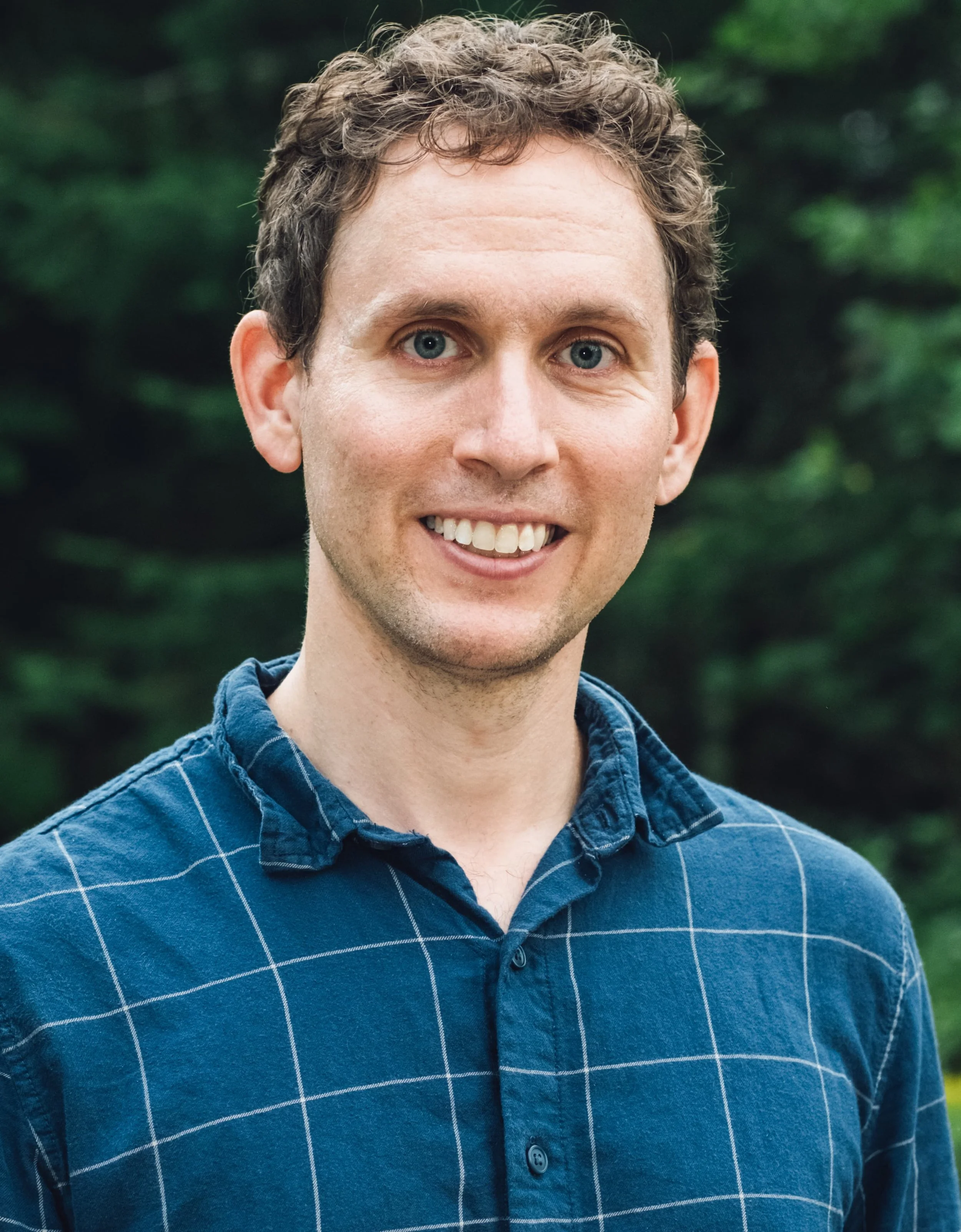
Jacob Steinhardt
CEO and Co-founder, Transluce
Jacob Steinhardt is CEO and cofounder of Transluce, a fast-moving research lab building the public tech stack for understanding and debugging AI systems. He also runs a leading AI research group at UC Berkeley, wrote Concrete Problems in AI Safety (the foundational research roadmap for the field), and designed MMLU, the most common benchmark for measuring capabilities of AI systems. Previously, he completed his PhD at Stanford under Percy Liang and worked at OpenAI.
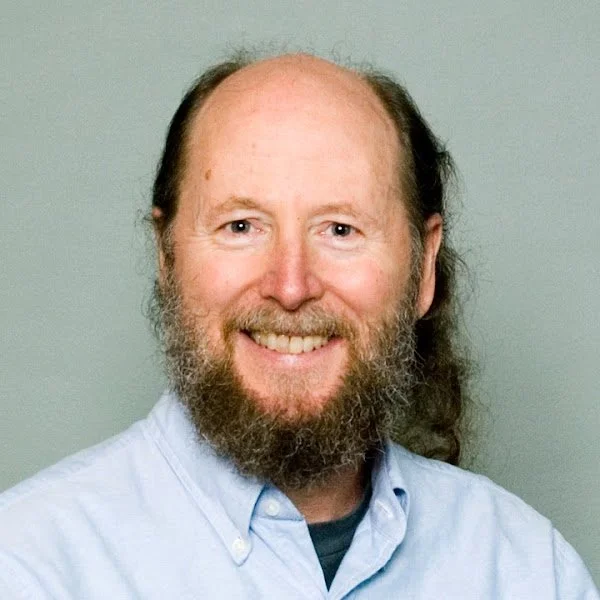
Richard Sutton
Research Scientist, Keen Technologies; Professor, Department of Computing Science, University of Alberta
Richard S. Sutton is research scientist at Keen Technologies, professor in the Department of Computing Science at the University of Alberta, chief scientific advisor of the Alberta Machine Intelligence Institute (Amii), and fellow of the Royal Society of London, the Royal Society of Canada, the Association for the Advancement of Artificial Intelligence, Amii, and CIFAR. He received a PhD in computer science from the University of Massachusetts in 1984 and a BA in psychology from Stanford University in 1978. Prior to joining the University of Alberta in 2003, he worked in industry at AT&T Labs and GTE Labs, and in academia at the University of Massachusetts. He helped found DeepMind Alberta in 2017 and worked there until its dissolution in 2023. At the University of Alberta, Sutton founded the Reinforcement Learning and Artificial Intelligence Lab, which now consists of ten principal investigators and about 100 people altogether. Sutton is co-author of the textbook Reinforcement Learning: An Introduction, and his scientific publications have been cited more than 140,000 times. He is also a libertarian, a chess player, and a cancer survivor.
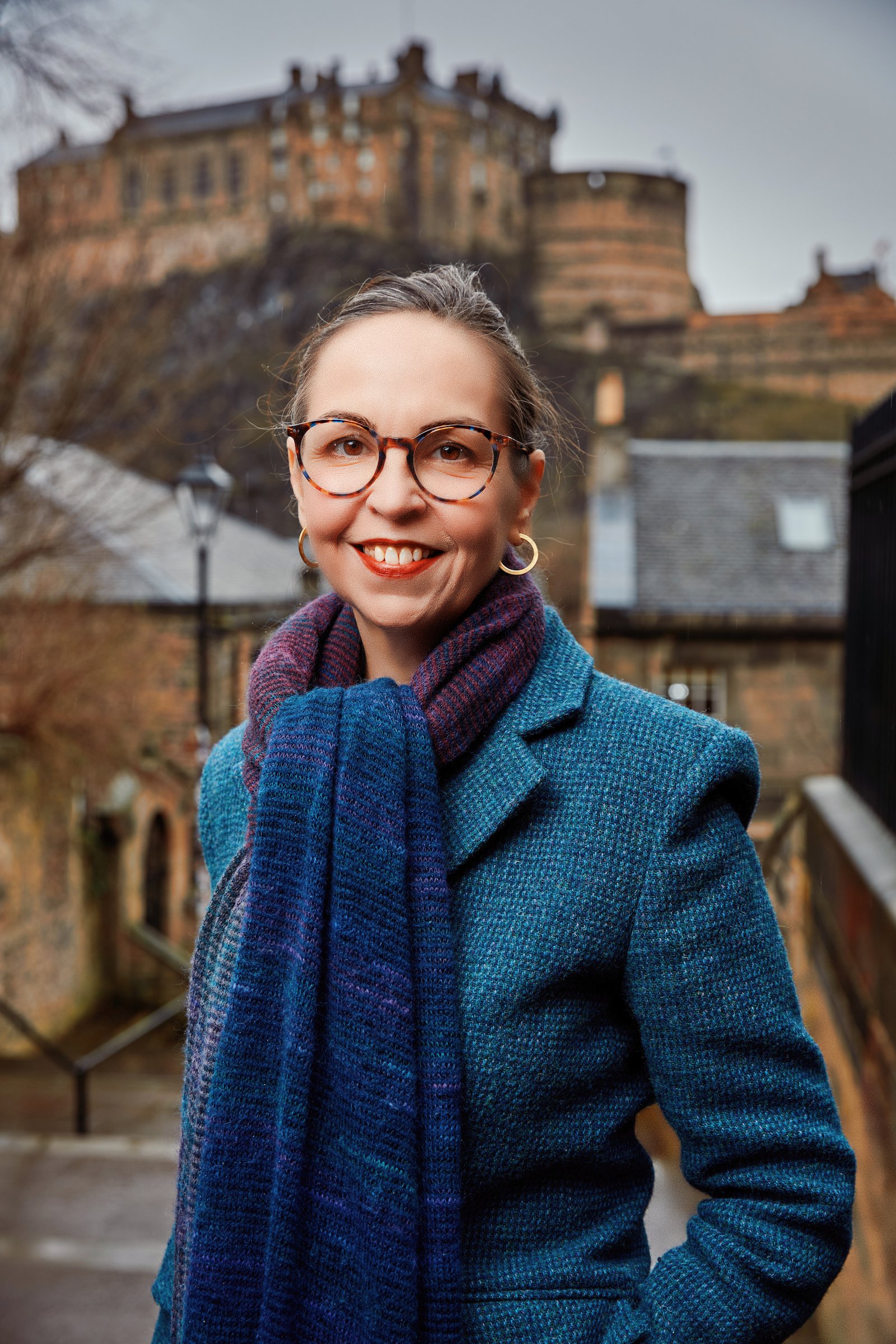
Shannon Vallor
Baillie Gifford Chair in the Ethics of Data and Artificial Intelligence, University of Edinburgh
Shannon Vallor, FRSE, is the Baillie Gifford Chair in the Ethics of Data and Artificial Intelligence at the University of Edinburgh, where she co-directs the Centre for Technomoral Futures in the Edinburgh Futures Institute. She is also appointed in Philosophy. Professor Vallor's research explores how AI and data science reshape human character and capabilities. From 2018–2020 she served as a Visiting Research Scientist and AI Ethicist at Google, and she is a standing member of Stanford University’s One Hundred Year Study of Artificial Intelligence (AI100). She is the author of Technology and the Virtues: A Philosophical Guide to a Future Worth Wanting (Oxford University Press, 2016) and The AI Mirror: How to Reclaim Our Humanity in an Age of Machine Thinking (Oxford University Press, 2024).